Working hours were excessively long, commonly ranging from 12 to 18 hours a day. This regime was brutally imposed upon the entire family unit. Even children could be expected to work 12 hours a day, sometimes starting before dawn at 4am. In 1833 the minimum working age was raised to 9 years old.
It was common practice in the mills to lock the factory gates – and sometimes even the workroom doors – excluding any worker who was late, even by only a minute or two. Time was money.
The campaign for shorter hours resulted in the 1847 Factories Act, the Ten Hours Act, which mandated a 10-hour day for young people and women.
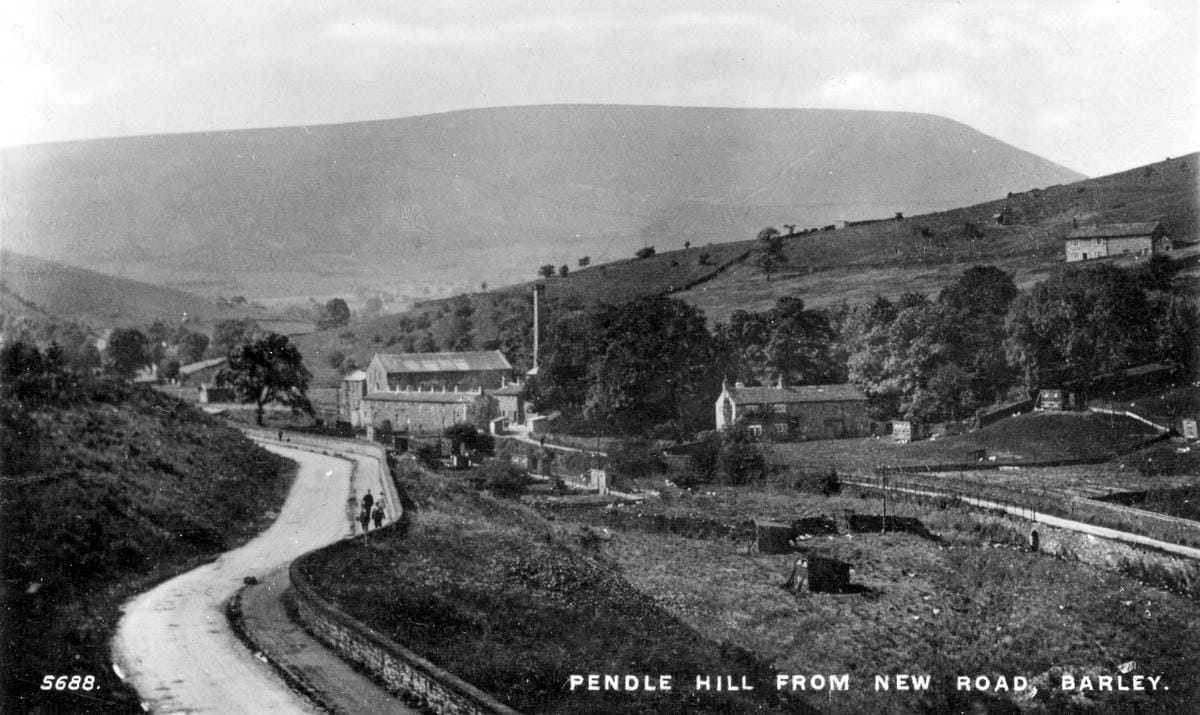
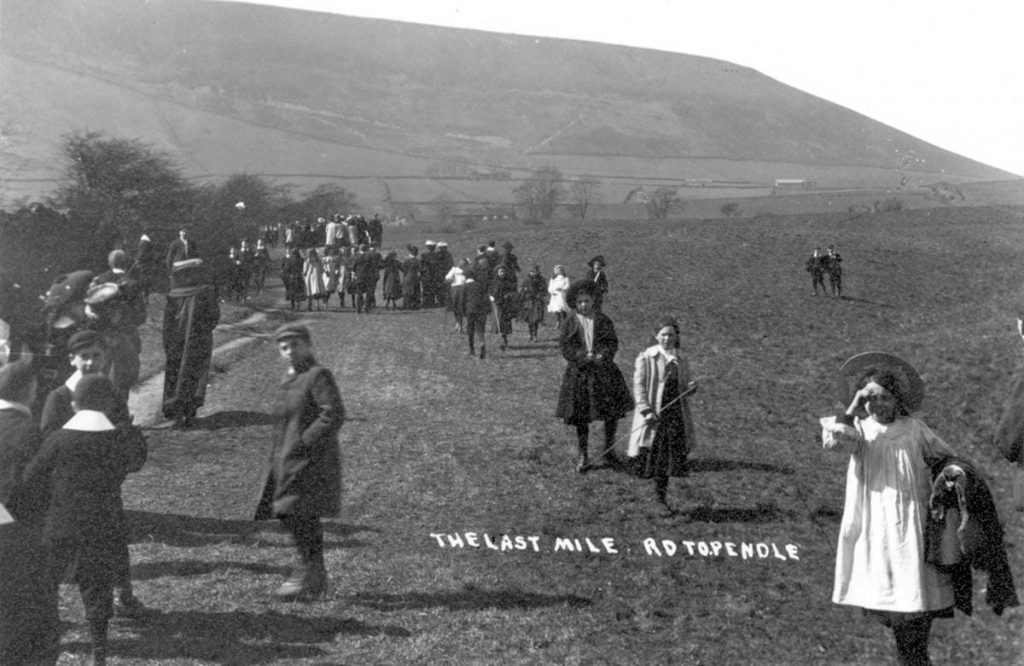
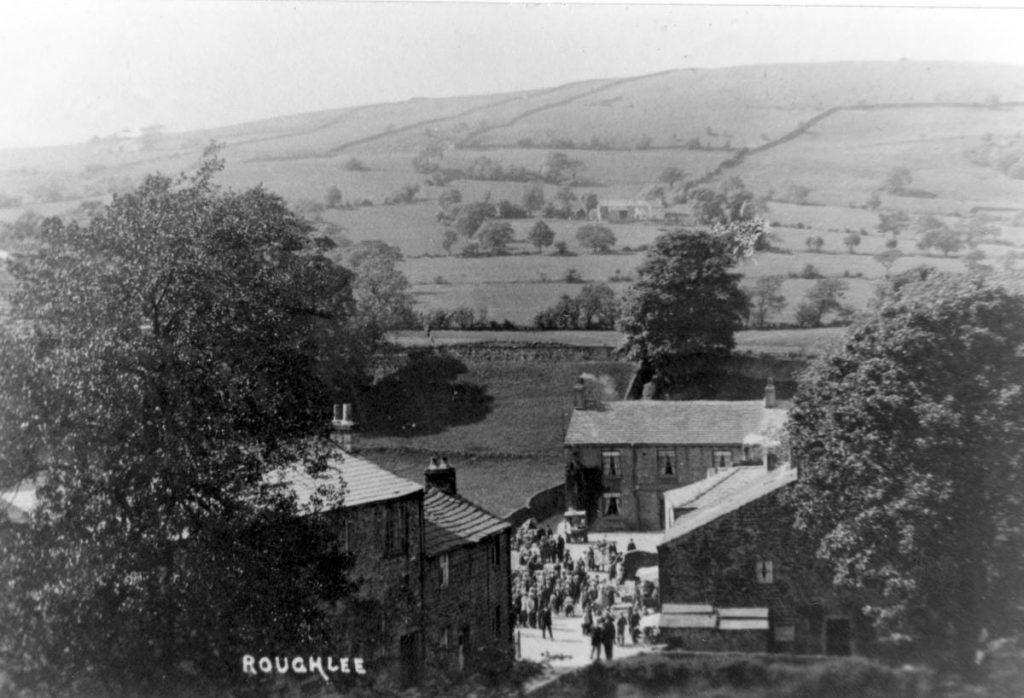
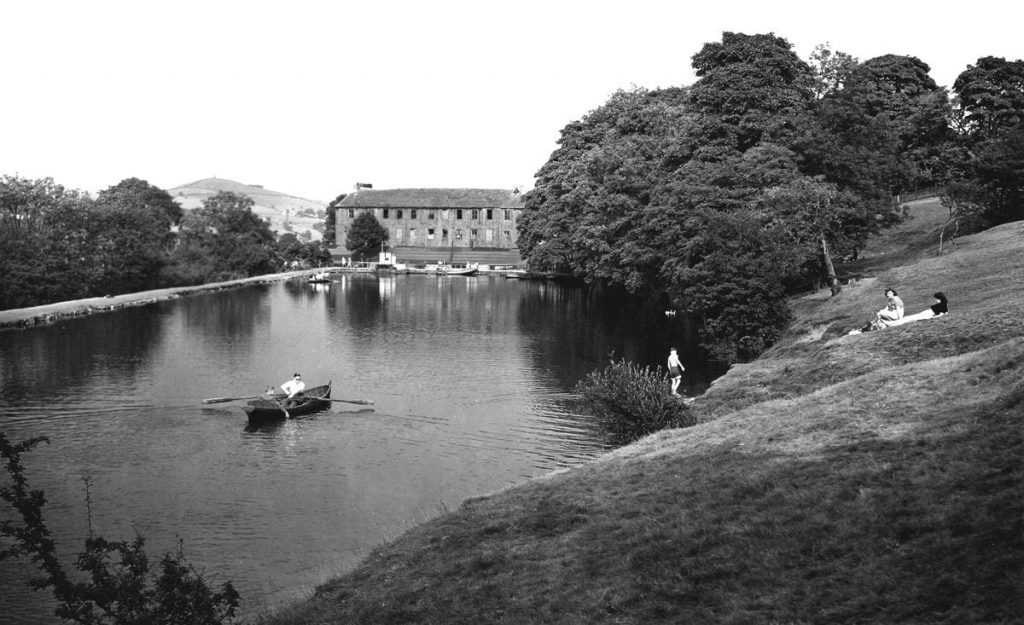
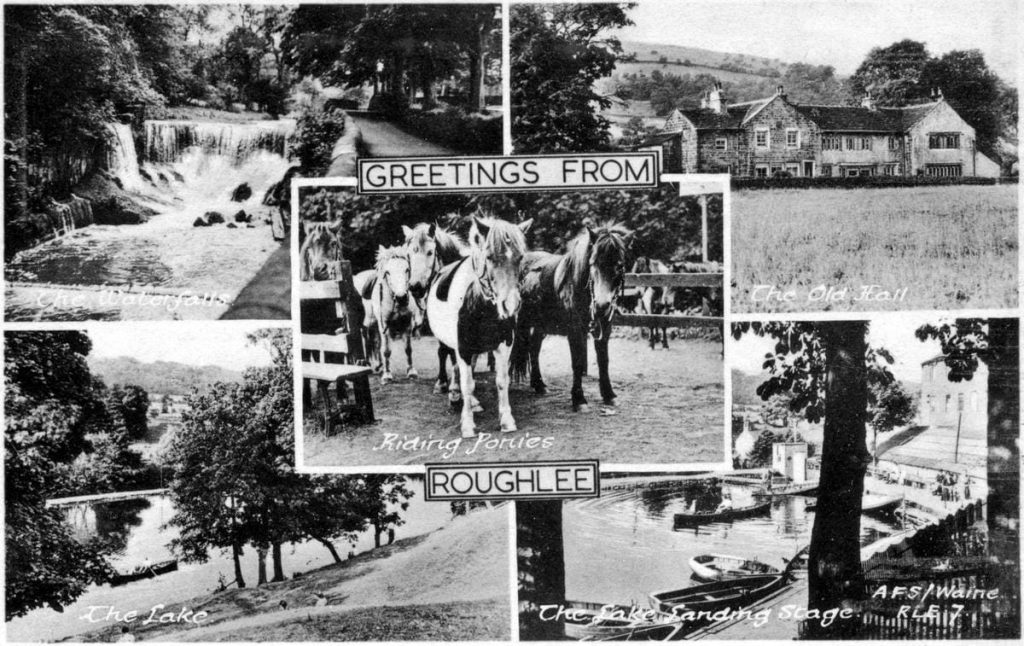
As the mills of Roughlee, Barley and Newchurch closed, many workers moved to local towns. By the early 20th century, Pendle Hill villages were reinvented as leisure destinations for local workers.
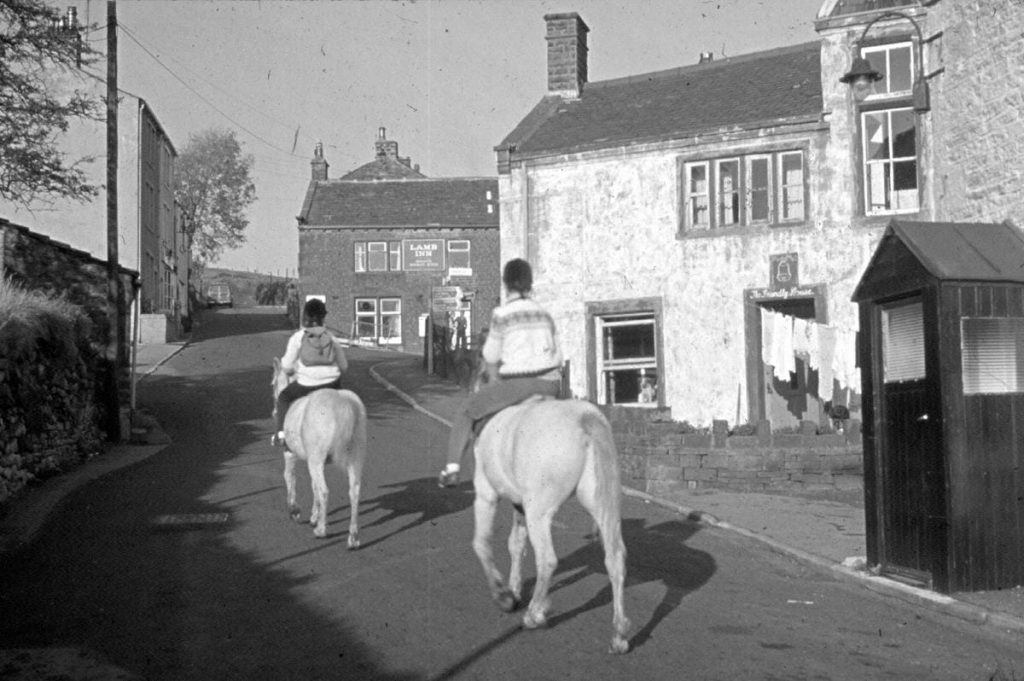
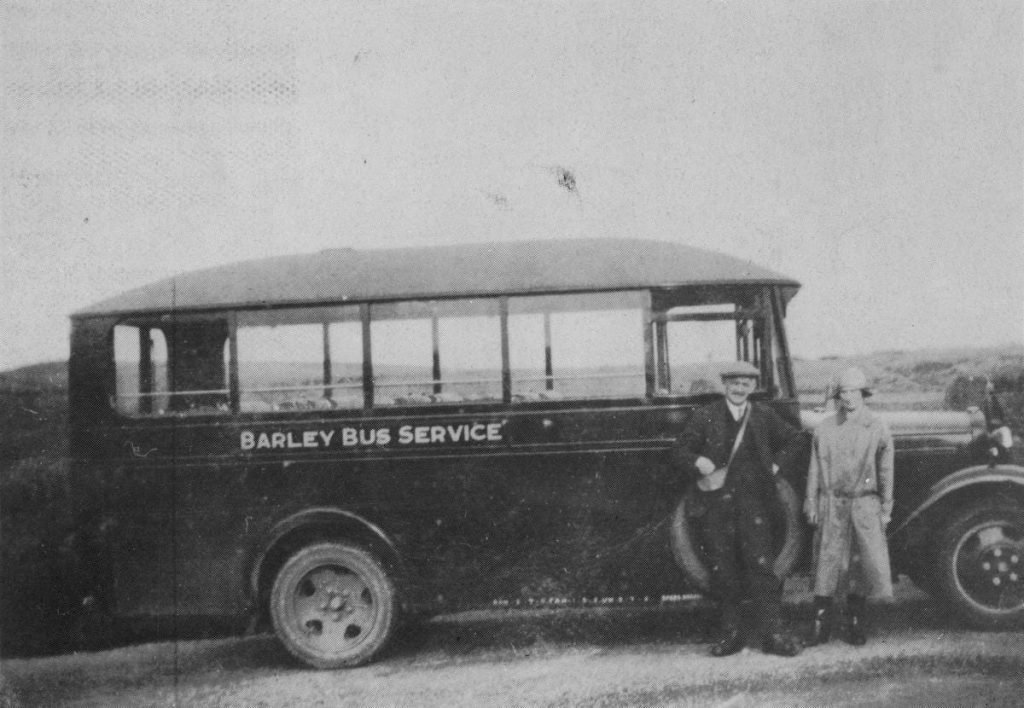
Alongside walkers and bikers, the Barley Omnibus Company and their rival buses by Mr. E. Jones arrived in the 1930s.